
Introduction
Several years ago, a brother-in-Christ stated that he was going to step away from preaching and teaching for a while. He wasn’t our located preacher but one who filled in during his absence. When I questioned his statement, he said that he wanted to be more, “swift to hear and slow to speak” (referring to Jas. 1:19). Still being new to the faith, I accepted his comment.
However, when talking with our located preacher about it, he said that he took the verse out of context for his own explanation. In studying the verse itself, it shows a completely different outcome.
Swift to Hear
To get the whole meaning of this verse, let’s look at it in the context that it is being used. James writes, Of His own will He brought us forth by the word of truth, that we might be a kind of firstfruits of His creatures. So then, my beloved brethren, let every man be swift to hear, slow to speak, slow to wrath; for the wrath of man does not produce the righteousness of God. (James 1:18-20)
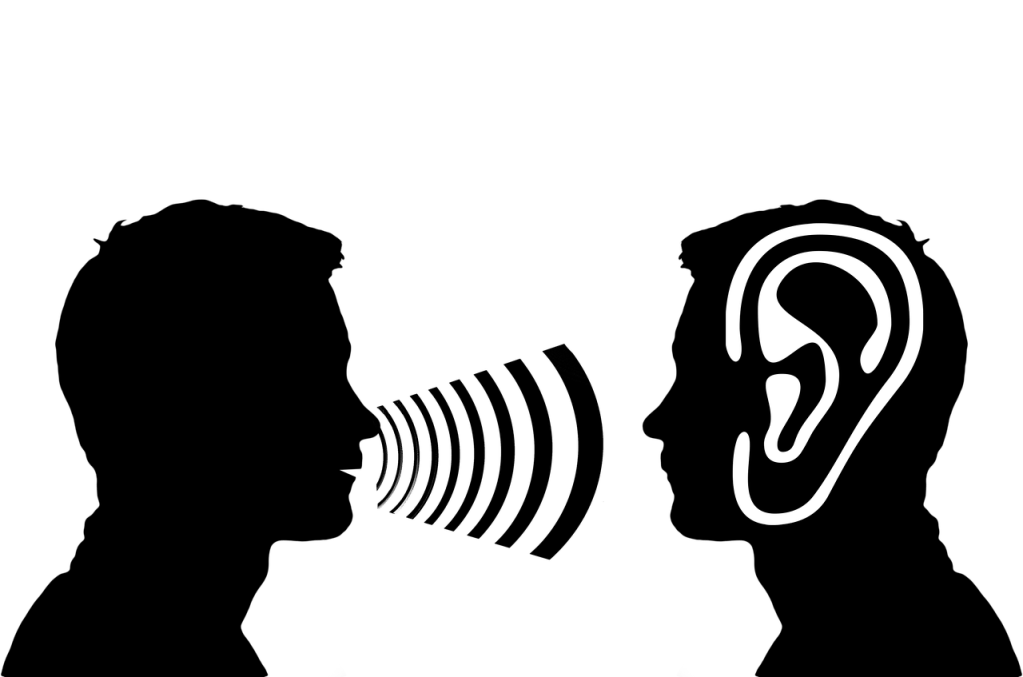
Being swift to hear is to fully understand what someone is saying to you in regard to asking a bible question. More often than not, some Christians will have an automatic response on hand to utilize when someone asks a question. However, if you don’t listen to the whole question, your answer may not bring the result desired result of the student. At which point, they will have to ask the question again or reword it, so you understand better.
Slow to Speak
Sometimes an individual who’s been a Christian a long time, and has studied the bible a long time, immediately knows the answer to any question or, at least, thinks he knows the answer. This is because rather than listening to the whole question, he hears the first part and formulates a response before he’s heard the rest of the question. He’s not being slow to speak as he already believes he knows the answer and is ready to give it.
Commentary on James by Brother Dan King makes this statement, Anyone who feels assured in his beliefs, secure that he is right and everyone else is wrong, may fall prey to this bad habit. So, James advises us all to listen carefully to what the other person has to say before we attempt to respond to him. Give him this respect at least.
In watching (and reading) religious debates on various subjects, I notice that one of participants isn’t actually listening to his opponent’s statement but figuring out his next comments instead. Thereby, the questions asked get ignored as the one is too busy presenting his next statement rather than addressing the questions or comments given.
Conclusion
Being swift to hear is to listen to an entire question, ruminate on it for a couple of minutes, then answer it in the best possible way. People tend to use the phrase, “Umm” or “Uhh” which appears to be an individual who can’t answer it. Instead, it’s a response that might say, “I heard your question, give me a minute to formulate an answer.” Better to say “Umm” or “Uhh” than to say nothing at all. At least you appear to be considering the question and develop the answer needed.
 The Christian Caravan
Leave a comment